

Sometimes, our actions in relationships puzzle even ourselves. We may ask, “Why do I cling so tightly?” or “Why do I keep my distance?” The key to these questions often lies deep in our history, in the patterns known as attachment styles.
Attachment styles are not just labels; they are windows into the hidden motivations that drive us in relationships, friendships, and even at work.
Where our attachment patterns begin
Attachment is a bond formed in early childhood. Picture a very young child reaching out for comfort. The way caregivers respond—consistently, unpredictably, or not at all—teaches that child what to expect from others. We base our future interactions on these lessons, whether we know it or not.
Understanding how and why we connect reveals the invisible strings pulling at our choices and feelings. This early model persists through adulthood. We do not always recognize how much of what we pursue and avoid comes from old stories written by these bonds.
The four main attachment styles and their hidden drives
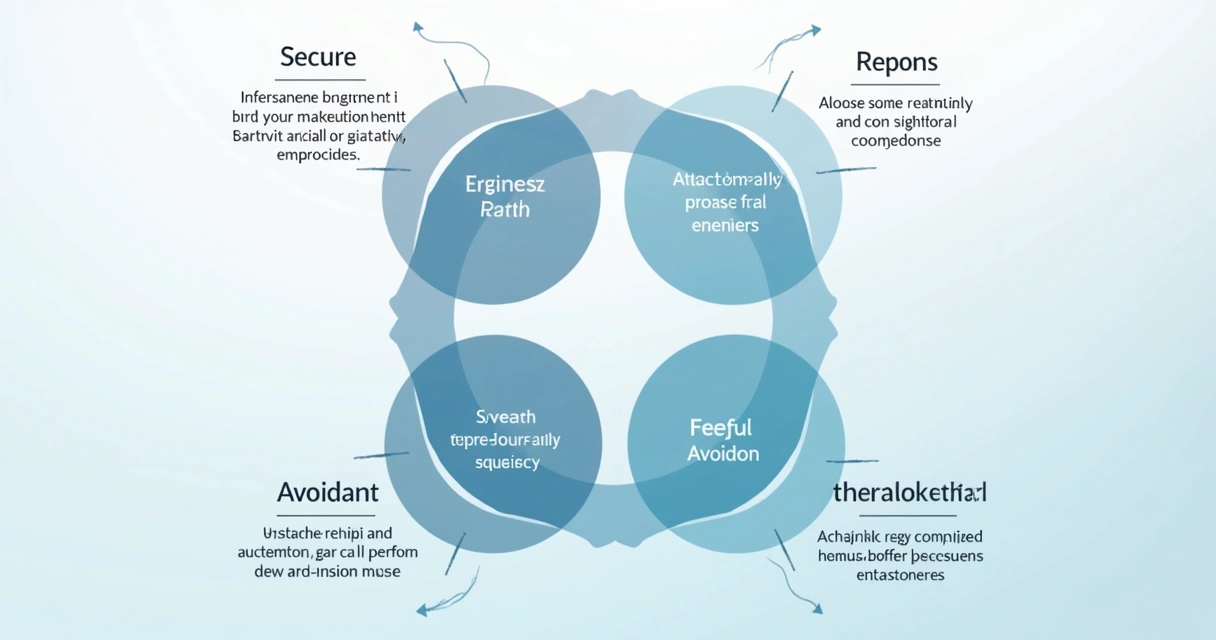
Most research points to four broad attachment styles. Each carries a distinct set of hidden motivations—the deep inner needs, fears, and hopes driving our behavior:
- Secure attachment: Comfortable with closeness and independence. Seeks healthy connection and feels worthy of love.
- Anxious attachment: Craves constant reassurance. Fears abandonment. Worries about losing loved ones.
- Avoidant attachment: Values independence to the extreme. Pulls back from closeness. Fears being trapped or controlled.
- Fearful-avoidant (disorganized) attachment: Wants connection but fears it too. Caught between desire for closeness and fear of getting hurt.
Each pattern forms as a response to how love and comfort were given (or withheld) in childhood. While no two people are the same, these styles offer a useful map.
We repeat what we learned, even when we wish we would not.
Hidden motivations behind the styles
Let’s look closer at what truly motivates each attachment style below the surface. Doing so helps us see these patterns not only as behaviors, but as compassionate responses to emotional needs.
Secure attachment: Guided by balance and confidence
People with secure attachment usually value open communication, honesty, and balanced closeness. Their hidden motivation is their belief that they deserve love, and so do others.
- They feel a natural foundation of self-worth.
- They are motivated to build relationships based on trust, rather than fear.
- They are better able to handle ups and downs without getting lost in anxiety or defensiveness.
Confidence in love is the real engine behind secure attachment.
Anxious attachment: Driven by fear of loss
The anxious style comes from a motivation to stay close and avoid being left behind. There’s often an intense desire to please or cling to others, because the fear of rejection feels overwhelming.
- They seek signs of love constantly—texts, calls, affection.
- They struggle to trust their value, leading to a cycle of seeking reassurance.
- Fear of being alone drives them to anticipate problems, sometimes even before anything has gone wrong.
Connection feels urgent, like a lifeline.
Avoidant attachment: Seeking safety through distance
Those with avoidant patterns protect themselves by pulling away. Their main motivation is to avoid being dependent or vulnerable, having learned early that closeness could lead to discomfort or even pain.
- They pursue freedom and personal space relentlessly.
- Closeness can trigger discomfort or irritability.
- They may appear self-sufficient, but this often hides a deep worry about losing autonomy.
The hidden need here is emotional safety—even if it means staying apart.
Fearful-avoidant (disorganized) attachment: Pulled between two instincts
This style lives in confusion. A longing for intimacy pairs with the urge to run. Motivations collide: wanting closeness, but doubting it can be safe.
- They may act loving one moment and distant the next.
- Unpredictability in childhood can leave deep marks, leading to a belief that love is unreliable.
- They are often driven by both hope and fear, making consistency a challenge.
Trust becomes an ongoing question, not an answer.
How hidden motivations appear in daily life
Attachment style does not only influence romance. We see its effects in friendships, parenting, and professional settings:
- Anxious types may say yes too often at work, seeking approval.
- Avoidant types might hold back from team projects, preferring to work alone.
- Fearful-avoidant types could send mixed signals, confusing coworkers or friends.
- Secure individuals lift others up, helping teams and relationships adapt to challenges.
These styles also influence how we process feedback, handle disagreement, and express our needs. Avoiding conflict, clinging to praise, or shutting down are often signs of hidden motivations at play.
Uncovering and transforming our hidden motivations
Awareness is the first step toward positive change. When we begin to recognize our style, we can ask genuine questions:
- What is this feeling underneath my reaction?
- Am I seeking safety, affirmation, or distance?
- How did I learn to respond in this way?
Self-inquiry leads us to understand that these motivations are not flaws; they are protectors, shaped to help us cope. With this insight, we can practice balanced responses.
We often notice that real transformation happens when people understand their own hidden motivations and the systems that reinforce them. If you want to go deeper into how inner drives operate, you may find more on hidden motivations.
How we relate to attachment styles today
We see emerging research and practical discussions that look at attachment styles far beyond clinical definitions. For those interested in the details about each pattern, the article on attachment styles covers foundational concepts.
Today, people use the language of attachment styles to reflect on more than just childhood. These concepts invite us to pause before reacting. Instead of blaming ourselves or others, we can ask, “What is really fueling this feeling?”
This shift rewrites old mental scripts—we are not doomed to repeat our past.
Conclusion
Our attachment styles are not the final word on who we are or what we are capable of. Instead, they offer a starting point to notice our own hidden motivations and to act with intention instead of instinct.
By understanding these patterns with kindness, we can reshape our relationships in every part of life. Our hidden motivations—rooted in early bonds—hold powerful lessons if we are willing to look honestly and act with awareness.
Frequently asked questions
What is an attachment style?
An attachment style is a pattern of emotional bonding and relating that a person develops, usually from early childhood experiences with caregivers. It influences how we connect with others and how we react to closeness, distance, and conflict in relationships.
How do attachment styles form?
Attachment styles form during our earliest relationships, usually with parents or main caregivers. The way these adults respond to our needs—comforting us, providing safety, or being unpredictable—teaches us what to expect from others and shapes our future relationship patterns.
Can attachment styles change over time?
Yes, attachment styles can change. While early experiences set the foundation, new relationships, personal growth, and intentional reflection can help us develop more balanced patterns. People sometimes shift toward a more secure attachment as they heal and grow.
How do attachment styles affect relationships?
Attachment styles affect how we communicate, trust, and resolve conflict. For example, someone with an anxious style might seek constant reassurance, while someone avoidant might resist closeness. Recognizing these patterns helps us build healthier, more understanding connections.
How to identify my attachment style?
To identify your attachment style, reflect on how you respond to closeness, trust, and conflict in key relationships. Patterns from childhood, reactions to stress, and recurring relationship themes can all offer clues. Reading more or talking to a professional can give helpful insights as well.