In a world that feels faster each day, many of us sense the need to pause, reflect, and understand where our attention actually lives. We hear the term “self-awareness” and may wonder: how can we actually experience it in our daily life? Marquesan meditation offers a pathway to find that answer. In our work with this practice, we have watched people touch new depths of clarity, calm, and real choice. But what is Marquesan meditation, and how do you begin? This guide will gently lead you through the basics, so you can start bringing more presence to every moment of your life.
What is Marquesan meditation?
Marquesan meditation is a structured approach to developing awareness by uniting mind, emotion, and consciousness, building a base for responsible living and growth. Rather than aiming simply for relaxation, it works to align inner experience with outer action. Through regular, functional meditative practice, we create space to observe our thoughts, feelings, and behavioral patterns—not to judge them, but to notice, accept, and respond with greater clarity.
A quiet mind gives space for true understanding.
What sets Marquesan meditation apart is the conscious intention it brings to the table. It is not about escaping daily life or pushing discomfort aside. Instead, we learn to look directly at what is here now. We see how unconscious emotions can shape our actions, and we build capacity to choose with more freedom. In time, this steady practice leads to improved internal stability, emotional maturity, and deeper connection with ourselves and those around us.
How self-awareness grows through meditation
Self-awareness is the ability to see ourselves as we are—our patterns, motivations, and reactions—without getting lost in self-criticism or denial. Marquesan meditation puts self-awareness at its heart. Through slow, conscious practice, we come to witness:
- Recurring thoughts and beliefs that run in the background
- Underlying emotions we may have ignored or suppressed
- Body sensations linked to stress, relaxation, joy, or tension
- The quiet space beneath chatter and judgment
This witnessing does not mean detachment as avoidance but a gentle, firm presence. We start to realize how much of what we do is automatic—driven by old patterns, stories, or external triggers. Through Marquesan meditation, we invite a pause before reaction, creating real room for choice and alignment with our deeper values.
Preparing for your meditation practice
Getting started does not require exotic equipment or special environments. What we encourage is a sense of intention to meet yourself with honesty and kindness. Here are several tips before you begin:
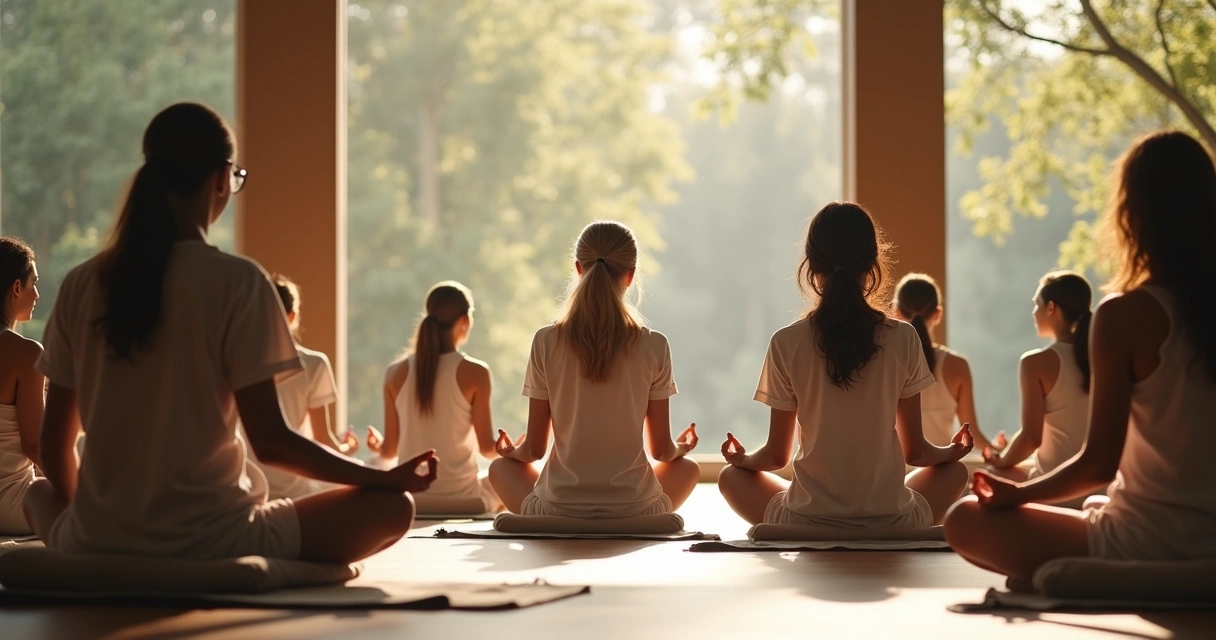
- Choose a quiet space, free from distractions and abrupt interruptions
- Sit upright, whether on a cushion or chair, keeping the spine natural and relaxed
- Dedicate a specific time of day, even if only a few minutes at first
- Decide on a simple, clear reason for this session (for example, “I want to notice how I feel right now” or “I want to see what emotions are present”)
- Set a gentle timer, so you do not need to check the clock obsessively
If you like, keep a journal nearby. Writing down your experiences after a session, no matter how brief, can help reinforce awareness over time. In our experience, this small step often carries real insights into daily life outside practice.
Basic Marquesan meditation technique
Marquesan meditation centers on conscious presence and emotional self-regulation. Here’s a basic sequence to try:
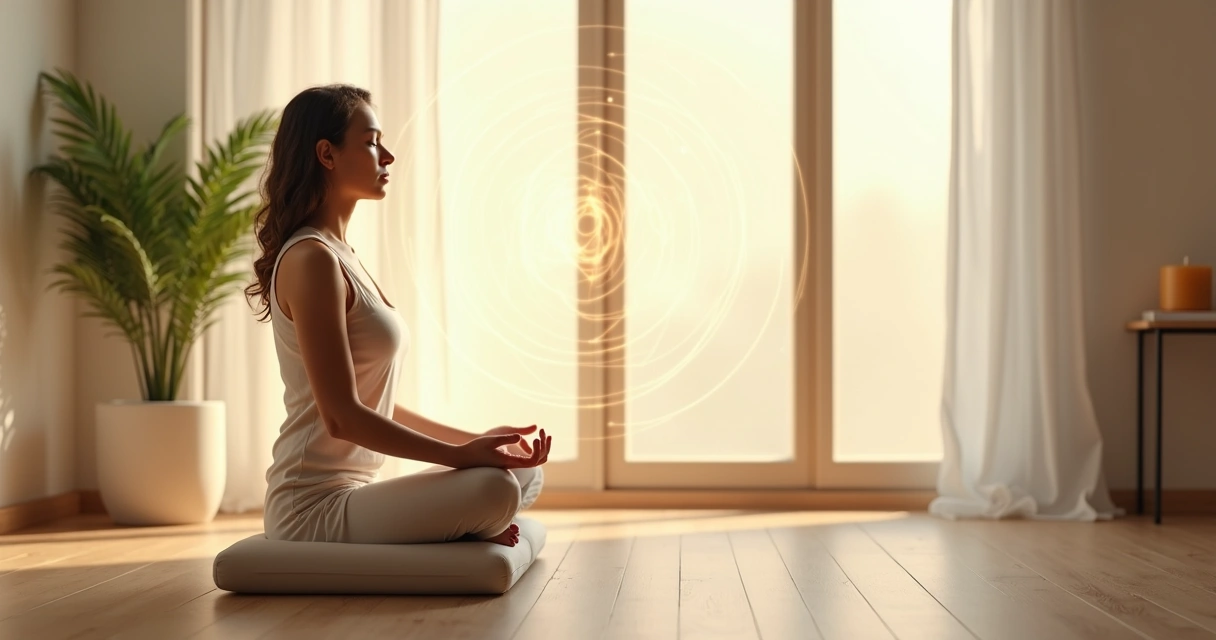
- Begin by arriving. Sit comfortably. Take three steady, slow breaths, feeling the body settle.
- Bring your attention gently to your body, noticing contact with the ground or chair. Observe the natural rhythm of your breath, not changing it—just noticing.
- Allow thoughts to rise and fall. When thoughts pull you away, simply notice them and return to your breath or body. There is nothing to fix.
- Notice emotions, if any arise. Are there hints of tension, ease, worry, or calm? Where do they live in your body?
- If a strong emotion appears, acknowledge it without judgment. Say silently, “This is here right now.” Feel its texture for a moment. Let it be, without needing to shift or solve it.
- After a few minutes, allow your attention to settle into a wider field. Become aware of the whole body, the space around you, and the awareness itself that holds it all.
- When finished, open your eyes softly. Take a moment to notice any changes in your mood, body, or thoughts. If you wish, jot down a line in your journal.
In this approach, we become both the observer and the observed.
Try to keep the practice gentle and regular, rather than intense and rare. If thoughts are busy, that is natural. If nothing dramatic seems to happen, you are still building awareness. Consistency matters more than length.
Bringing the practice into daily life
One of the gifts of Marquesan meditation is the way it slips into daily moments. You do not have to sit in formal meditation for long periods to feel its effects. For example:
- Pause before replying to an emotional message, noticing your internal reaction first
- Take a breath when a stressful thought arrives, witnessing it instead of becoming tangled
- Reflect at the end of the day: “Where did I act from awareness today? Where was I on autopilot?”
Over time, even short practices begin to build a sense of inner space—room to choose, respond, or simply be present. We have seen this in countless stories: people eating more mindfully, choosing differently in conflict, or simply feeling more peaceful even when challenges appear.

Tips for deepening self-awareness
Some days the mind will race. Other days, emotions will surface unexpectedly. It’s all part of the journey. We have gathered some pointers that often support new practitioners:
- Be patient with yourself. Progress is not linear.
- Find a regular time—even five minutes makes a difference if kept steady.
- If you miss a practice, restart the next chance you get. There is no “falling behind.”
- Share your experience with a trusted person or community to help stay motivated.
- Remember, the true practice is not what happens in stillness, but what shifts in awareness during daily life.
If you feel drawn to go even further, we also recommend visiting our complete beginner’s guide to Marquesan meditation and various self-awareness meditation techniques that support different learning styles.
Next steps on your meditation journey
Each person’s path with Marquesan meditation is unique. Over time, you may wish to experiment with new techniques, explore group settings, or work with guided sessions. For now, the core invitation is simple: stay with your experience, even if just for a few breaths. The transformation that matters most begins with small, genuine acts of presence.
Self-awareness grows one honest moment at a time.
Conclusion
Self-awareness is not a distant goal, but something we build, breath by breath, in everyday life. Marquesan meditation offers practical tools to observe, accept, and align our inner worlds with our actions. We have seen that even brief, steady practice can create lasting change—supported by patience, kindness, and a willingness to meet ourselves as we are. The door to deeper presence is always open; our willingness to step through is what brings real growth.
Frequently asked questions
What is Marquesan meditation?
Marquesan meditation is a structured approach to cultivating conscious presence and emotional self-regulation, designed to help individuals become more aware of their thoughts, emotions, and behaviors in daily life. It centers on observing experience without judgment, aligning intention, emotion, and action, and fostering emotional maturity through steady practice.
How to start Marquesan meditation practice?
To begin, choose a quiet space where you can sit comfortably. Set a brief, clear purpose for your session. Focus your attention on your breath, body, and emotions as they arise; observe without trying to change them. Practice for a short period regularly, increasing as you feel comfortable. Keeping a journal of your experiences can also help foster insight as you begin.
What are the benefits of Marquesan meditation?
Practitioners often experience improved self-awareness, emotional balance, mental clarity, and a greater sense of internal stability. Over time, it may also enhance your ability to respond with intention rather than react automatically, build resilience to stress, and deepen your relationships with yourself and others.
Is Marquesan meditation good for beginners?
Yes, Marquesan meditation is very suitable for beginners. The techniques are accessible, and the focus on gentle awareness means there is no need for previous experience or complex skills. Starting with short, regular sessions is encouraged to build comfort and understanding.
How often should I practice Marquesan meditation?
We suggest practicing daily, even if for just a few minutes each time, as consistency is more helpful than duration alone. Over time, you can increase the length or depth of your practice based on your needs and experience. Regularity builds a foundation for deeper self-awareness and lasting change.