

We all like to believe we are in charge of our thoughts, feelings, and life path. Still, when we step back for a moment, a tough question emerges: How much of our mindset is being shaped—quietly and continuously—by the world around us? The answer may surprise you, and recognizing this invisible influence is often the first step toward genuine transformation.
What does it mean for environment to shape mindset?
Mindset refers to the patterns of thought, feeling, and expectation that color how we see ourselves and the world. Environment is not just about where we live or work, but also the emotional climate, social networks, cultural influences, and even the design of the spaces we inhabit.
When we speak of “environment shaping mindset,” we are talking about the subtle, ongoing process by which our surroundings press on our beliefs, habits, and sense of possibility. Sometimes this happens so quietly, we barely notice.
We absorb as much from our environment as from our own reflection.
Consider a simple example. If we spend our days among people who complain about their circumstances, fear failure, and resist change, those attitudes can slip into our own thinking. By contrast, supportive and encouraging people often help us see new options and expand our sense of what’s possible.
Everyday ways your environment shapes how you think
In our experience, the influence of environment happens at several levels:
- Physical spaces: Cluttered or chaotic spaces often create distraction and unease, while calm and ordered environments support focus and composure.
- Social circles: The attitudes, stories, and priorities of those closest to us are reflected in the way we process our experiences and challenges.
- Information flow: The news we consume and online communities we belong to quietly steer our opinions and what we think is “normal.”
- Work and learning settings: In organizations or schools that encourage personal growth, curiosity tends to flourish. Where blame dominates, fear and suspicion can take root instead.
- Cultural patterns: Models of success, beauty, and identity in a given culture subtly sculpt individual dreams and anxieties.
These influences don’t feel obvious. We may not even notice them—until we feel uncomfortable or out of place somewhere that does not “match” our inner world.
But is it really my environment?
It’s natural to ask whether our environment is truly shaping us, or whether we just notice its echoes of our own beliefs.
We’ve found that certain signs point to the influence of environment over mindset:
- You feel more optimistic, creative, or energetic in some settings (and the opposite in others).
- Certain friendships or work teams bring out your compassion, patience, or even ambition—sometimes beyond what you expected of yourself.
- When surrounded by negativity, you notice doubts creeping in, even if you started your day feeling hopeful.
- You have beliefs or habits you cannot trace to personal experience, but that “seem normal” because everyone around you shares them.
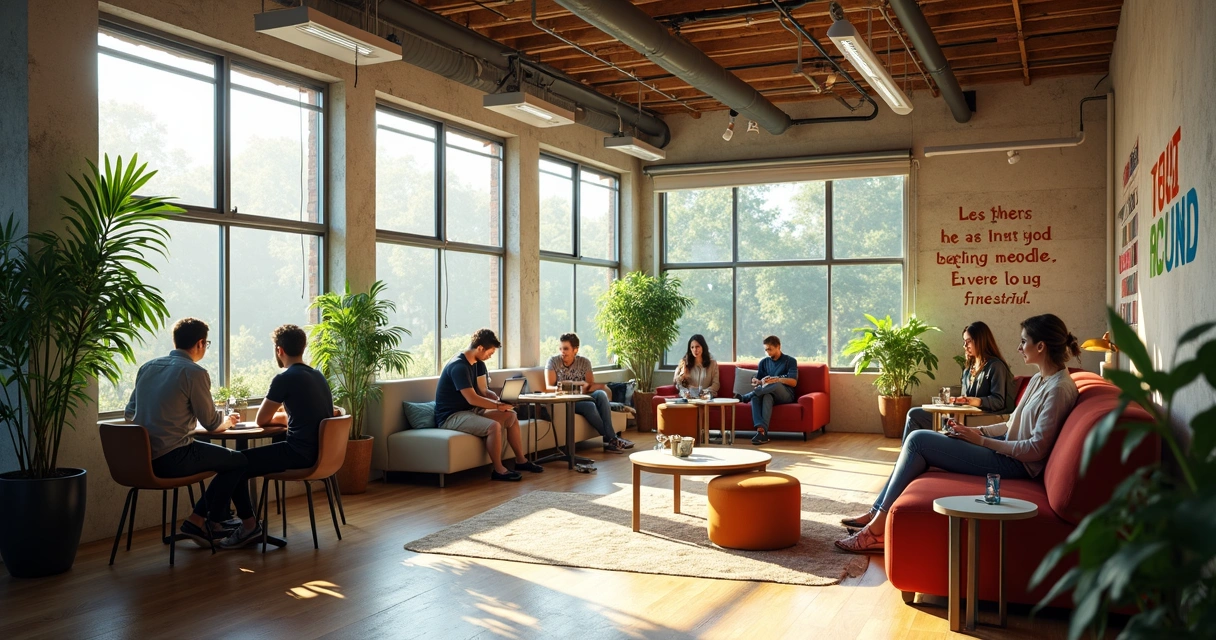
Our day-to-day experience often demonstrates that what surrounds us flows inward, shaping our self-image and decisions. There is always a blending of internal and external: we react to our environment, but it also molds what we believe is possible.
Questions to reveal environmental influence
If you want to know if your environment is shaping your mindset, ask yourself a few searching questions:
- Do my moods change noticeably in different places, or with certain people?
- Are my goals truly my own, or did they arise because of what I thought was expected by those around me?
- Have I ever abandoned a dream or habit because it was discouraged by my environment?
- Are there conversations or topics I avoid simply because they are “unpopular” in my circle?
Answering these questions honestly often uncovers where our desires, thoughts, or even fears are shaped “from the outside in.”
Examples: How environment quietly shapes reality
We’ve seen countless stories from people who didn’t realize how much their world influenced their beliefs. For example, an artist who doubted her abilities until joining a supportive peer group—and suddenly thrived. Or a manager whose view on leadership changed entirely after joining an organization with a more open, human-centered approach.
Another example is someone who grew up in a family where discussing finances was taboo, finding it difficult as an adult to manage money openly, even after learning new skills.
“The company you keep creates the future you see.”
These are not rare moments—they are indications that mindset is learned, trained, and always adapting.
Can environment limit growth?
The answer is yes. While our environment can expand our potential, it can just as easily create invisible limits. Some warning signs include:
- Consistent self-doubt, even when evidence says otherwise.
- Fear of making mistakes because criticism is common or harsh.
- Low energy or lack of motivation when surrounded by apathy or cynicism.
- Feeling “out of place” when expressing ideas or values that others don’t share.
When our environment opposes our growth, we may feel confused, stuck, or smaller than we truly are. Recognizing these patterns is the first step toward renewing both our space and our mindset. For deeper reading about external factors that affect how we think and feel, you may find our page on environmental influences on mindset helpful.
Steps to strengthen your mindset despite your environment
It’s not always possible—or even necessary—to replace our entire environment. However, there are practical ways to build a mindset that stands strong, even among challenging influences:
- Awareness: Notice what thoughts, behaviors, or moods arise in different spaces or groups. Awareness itself reduces the power of subtle influences.
- Selective exposure: Find people, books, and spaces that uplift and challenge you to grow.
- Micro-environments: Create “mindset anchors” in small ways—like a tidy desk, inspiring notes, or brief learning rituals.
- Clear intentions: Decide who you want to become, regardless of what is “normal” around you.
- Support structures: Connect with communities or mentors who model the mindset and values you are committed to building.
Small shifts, made consistently, open the door to real change. You may be surprised how much even a few intentional friendships, daily habits, or inspiring environments begin to lift your mindset.

If you are interested in more hands-on techniques, our piece on developing a positive mindset offers specific strategies that work well in many circumstances.
Conclusion: The mindset-environment dance
The journey toward a more free and empowered mindset almost always starts with noticing our environment’s influence. We are shaped by what we allow into our minds, hearts, and everyday spaces. But we also carry the power to re-shape our environment, even in small ways.
The relationship between environment and mindset is a dance: as we grow within, we affect the world around us, and as we shift our immediate world, we give ourselves permission to grow even more. The more conscious we are of this dance, the more possible transformation becomes.
Frequently asked questions
What is environmental influence on mindset?
Environmental influence on mindset is the process where our beliefs, attitudes, and thought patterns are shaped by the physical spaces, people, culture, and information that surround us. The things we see, hear, and feel in our daily environment can either encourage our growth or create limitations, often without our awareness.
How can I tell if environment shapes me?
Notice how your feelings, habits, and self-talk change in different settings. If you act, think, or feel differently around certain people, at work, or in a specific place, your environment is likely having a strong influence. Changes in motivation, confidence, and belief in your own abilities are often direct signs of your surroundings at work.
What are signs your environment limits you?
Warning signs include regular self-doubt, avoidance of new challenges, low energy, being afraid to share ideas, or feeling unaccepted. When your growth feels blocked, when criticism is common, or when inspiration fades, it’s time to look at how environment might be setting unseen boundaries.
How to change a negative environment?
Start with awareness. Notice which aspects of your environment drain your energy or limit your thinking. Then, seek positive influences—supportive friends, inspiring content, or calming physical spaces. Even small changes like organizing your workspace, setting clearer boundaries, or joining new groups can have a big impact over time.
Is it worth it to change environments?
Yes, if your environment consistently holds you back from your goals or values, a change can free you to grow and thrive. Sometimes, even small adjustments lead to a fresh new perspective. While change can be uncomfortable at first, many people find it is one of the most rewarding steps they ever take.