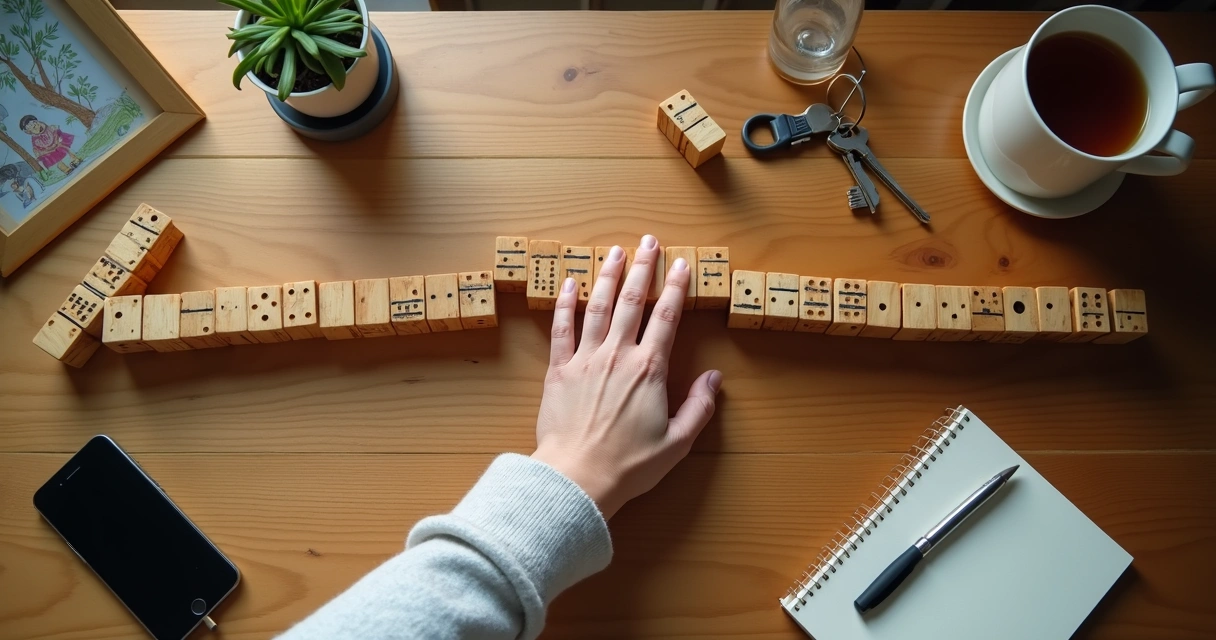

Some moments in life bring us face to face with questions that have no simple answer. Why do we repeat old behaviors, even when they hurt us? How can invisible ties from childhood silently shape our decisions, relationships, and well-being? The concept of family patterns is not just theory, it unfolds in everyday lives, often unnoticed, yet powerful.
What are family patterns and why do they matter?
In our experience, family patterns are learned behaviors, beliefs, and emotional responses that pass from generation to generation. They are both visible and hidden, sometimes celebrated, sometimes silenced.
Many people associate family with comfort and love, but studies show it's also the primary place where dynamics such as communication style, conflict resolution, and even ways of expressing care are shaped (research on influences of parenting practices and family socioeconomic factors).
Family patterns matter because they are often at the root of daily struggles, from self-doubt to conflict, from career stumbles to how we care for ourselves in times of stress. Recognizing them is the first step to changing the cycle and creating a new direction that truly fits who we are now.
Family patterns are learned before we even notice we're learning.
How do hidden family patterns affect us?
Sometimes these patterns echo as inner voices or automatic reactions. Others show up as repeated situations, no matter how much effort we make to change. We might ask ourselves, "Why does this keep happening to me?" The answer usually lives beneath the surface, hidden in our family blueprint.
For example, systematic reviews of family behaviors demonstrate that the ways families handle self-reliance, illness, and support can directly shape both physical health and mental state (systematic review of family behaviors and chronic-illness outcomes).
Understanding these subtle influences helps us break free, especially when patterns are not serving us anymore.
The five main signs of hidden family patterns
Based on our research and practical work, these five signs often point toward hidden family patterns at work. Each sign offers a doorway to greater self-awareness:
- Repeating the same conflicts, even with different peopleHave you ever noticed similar themes in arguments, at work or in relationships, no matter who is involved? Recurring misunderstandings, feelings of being misunderstood, or cycles of rejection often point to old scripts we learned at home.The deep-rooted nature of family psychology patterns means we often unconsciously repeat what is familiar, rather than what is healthy or new.
- Unexpected emotional triggersIf certain words, tones, or situations cause a stronger reaction than expected, it might connect to past experiences. These triggers are not always about the present. Instead, they are echoes of pain, fear, or disappointment that first grew in our families and now color how we see the world.Awareness of these moments gives us the chance to pause and choose a new response.
- Struggles in forming or keeping close relationshipsAccording to research on social networks among older adults, the 'family-type' and 'limited-type' patterns often signal either strong dependence on family bonds or restricted social connection, both of which can affect our sense of belonging (study on social network types among older adults).
- Feeling unable to make life choices freelySome of us find it hard to make big decisions, for example, changing careers, moving to a new city, or choosing a partner. We may sense invisible barriers, guilt, or the worry of breaking expectations. These obstacles usually stem from family beliefs, spoken or unspoken, about what is "acceptable" or "right." Sometimes, noticing the signs of family impact on our awareness is the first real step to moving forward.
- Persistent self-criticism or perfectionismA family culture that emphasized high achievement or criticism often plants seeds of self-doubt and perfectionism. Studies show that family dynamics such as control, overprotection, or constant critique ripple out into adulthood and beyond (systematic review of 30 family studies). The inner critic is, in many cases, the voice of old family standards that we've made our own.
Family patterns, health, and life directions
Not all family patterns are harmful. Many bring strength, resilience, and hope. However, those that are not questioned can become invisible barriers. Some population studies connect work-family patterns across a lifetime with long-term health and even mortality risk, like how some working mothers delay paid work or navigate complex roles over years (study examining work–family patterns and mortality risk).
Sometimes, we carry forward loyalty to the family's hardships or values, even at the expense of our own growth or happiness. Recognizing which patterns to keep and which to reshape is a personal journey.

Family influences do not end in childhood; they grow and change along with us.
As we move through different life stages, from school to work, relationships to parenthood, these patterns adapt. Sometimes they become more obvious in moments of stress or transition. When we notice similar responses in ourselves and our family members, it helps to ask, "Where did this really begin?"
The positive side: Conscious change and growth
Bringing awareness to our own family patterns is the first act of personal leadership. It means looking at our history objectively, without blame, and choosing what fits our life today. Through conversation, reflection, therapy, or mindful practices, we can start to rewrite our own story.
New research on parenting and learning highlights that when families reinforce support and care, especially from mothers, young people experience better mental health and more flexible learning behaviors (research on influences of parenting practices). These examples show that positive change is real and possible.

Every family history writes the beginning of a new paragraph in our lives.
What can we do about family patterns?
Recognizing these patterns is not about assigning blame or replaying old hurts. It is a pathway: from reaction to choice. We can ask ourselves these questions:
- Which beliefs and habits am I carrying that do not belong to me anymore?
- Where do I feel stuck in familiar responses?
- What support could help me write a new story?
Whether through self-study, professional support, or honest conversations with loved ones, each step brings more freedom.
Transformation is gradual, but the first step is always awareness.
Conclusion
Hidden family patterns shape lives more than we realize. They trace lines through our choices, relationships, and even our health. By identifying the five signs, repeated conflict, emotional triggers, struggles with relationships, choices that feel blocked, and self-criticism, we open the way to understanding, change, and growth. The journey is ongoing, but every insight empowers us to build a life aligned with our values and potential.
Frequently asked questions
What are family patterns?
Family patterns are inherited behaviors, beliefs, and emotional responses that are learned and repeated across generations within a family. They influence how people relate to themselves and others, how they handle challenges, and even how they see the world.
How do family patterns affect me?
Family patterns affect us by shaping our habits, reactions, and even our unconscious choices. They can make certain behaviors feel automatic or natural, even when they limit our growth or create conflict. Sometimes, these patterns affect our health, relationships, and sense of possibility.
What are signs of hidden family patterns?
Common signs include repeated conflicts, strong emotional triggers, trouble with close relationships, challenges making life decisions, and persistent self-doubt or perfectionism. These signs often point to deeper beliefs or habits formed in family life.
How can I break negative family cycles?
Breaking negative cycles starts with awareness. By noticing the patterns, reflecting on where they began, and seeking support if needed, you can choose new behaviors. Open dialogue, self-education, and sometimes therapy can support this change. Positive intention and patience make a real difference over time.
Is it worth it to explore family patterns?
Yes, exploring family patterns can lead to more freedom, better relationships, and personal growth. Awareness helps you decide what to keep, what to leave behind, and what new story to create, for yourself and for future generations.