

Transitions shape our lives. Some arrive with celebration—a graduation, a new job, a commitment to a deeper relationship. Others arrive quietly, or even with pain: a move, a loss, an inner shift. In all these moments, we face the challenge of saying farewell to the person we’ve been and honoring the version of ourselves we are becoming. What bridges this gap? Across cultures and through personal discovery, we have found the effectiveness of integrative rituals in supporting these times of change.
What does it mean to marry the old self with the new?
Change calls us to leave behind aspects of ourselves, yet we rarely abandon our past entirely. Instead, we seek to integrate who we were with who we are becoming, creating a sense of continuity amid change. This is the deep work of transformation: neither rejecting the old nor clinging to it, but consciously bringing forward what still serves our growth.
We’ve witnessed how, in moments of transition, confusion or nostalgia can arise. There is often a tension between what needs to be released and what deserves to be carried forward. When we pause to mark these threshold moments, we foster a healthier relationship with ourselves, reducing patterns like regret, denial, or unprocessed grief.
Why do rituals matter during transitions?
Rituals act as symbolic containers for transition, providing structure, meaning, and a sense of completion. Without rituals, change can feel chaotic or unfinished, leaving us emotionally unanchored. When we create or participate in rituals, we invite intentional presence. Small or large, public or private, rituals help us step out of automatic living and attend to what is shifting inside.
"A transition without ritual is like a journey without a map."
In our experience, rituals offer these specific benefits:
- Help us move from confusion to clarity
- Allow us to consciously release what no longer serves
- Create space to welcome new intentions or identities
- Strengthen resilience by promoting emotional integration
- Anchor key moments in memory, enriching our sense of meaning
Principles of integrative transition rituals
An integrative ritual honors both past and future selves. While every person’s needs vary, we have recognized a few guiding principles that create depth and coherence to these experiences:
- Intention: Rituals must begin with a clear intention. We have to define what we are marking—grief, gratitude, moving forward, or perhaps forgiving ourselves.
- Conscious acknowledgment: Give space to consciously acknowledge what is ending, and why.
- Active participation: Engaging our bodies, voices, creativity, and senses can deepen the experience.
- Symbolic acts: Symbols (a candle, special object, or even music) give shape to what words alone often cannot express.
- Witnessing: Sometimes we include others to witness our transformation—other times, simply writing our intentions is enough.
- Integration: The process should close with space to integrate lessons, making meaning from both past and future.
How do we marry old and new selfs practically?
We see “marrying old and new selfs” as a practical process, not just a metaphor. This means inviting conscious connection between our personal past, present, and desired future.
Try reflecting on these steps before designing or participating in a transition ritual:
- Identify the key attributes, values, and memories from your “old self.” What habits, beliefs, or relationships defined this time?
- Acknowledge why some of these aspects need thanking and releasing. Not everything can or should come with us.
- Name what qualities or intentions you want to nurture in your “new self.” What dreams or attitudes are calling you now?
- Look for bridges. Where do old strengths inform new possibilities? Where can wisdom from the past serve the future?
- Seal the process with a tangible act—writing a letter, lighting a candle, creating a piece of art, or expressing gratitude aloud.
For more structured ideas, we have found that examining detailed methods for integrative rituals for personal growth can be especially helpful.
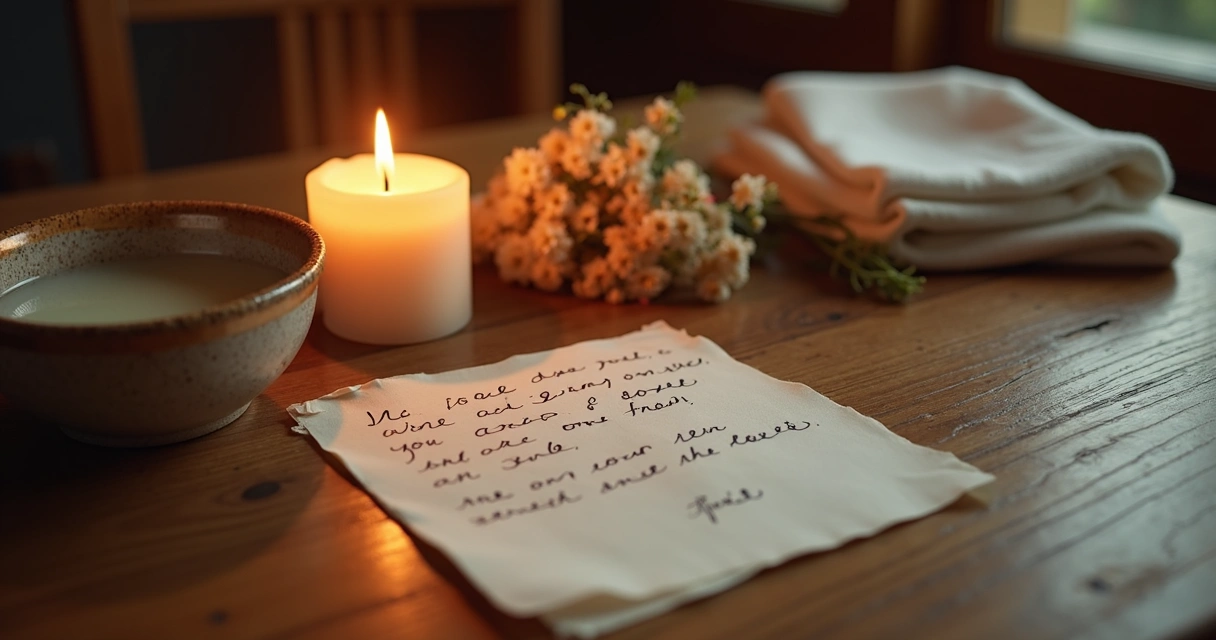
Types of integrative rituals for transitions
Our experience tells us that integrative rituals come in many forms and can be tailored to the context and the person. Some people find power in simple, solo acts; others are drawn to collective or ceremonial gatherings. These are some common types and elements to inspire your own practice:
- Writing rituals: Write a letter to your old self, expressing thanks, sorrow, or forgiveness. Then, write to your new self, sharing hopes and commitment. You may choose to keep these letters or symbolically release them—burning, burying, or storing them away.
- Release ceremonies: Gather tokens or objects that represent what you are leaving behind. Consciously let them go in nature, such as placing stones in a stream, or donating items, marking the shift from old to new.
- Mindful walks: Take a walk alone or with trusted company. Pause at the midpoint to reflect on your journey and then continue anew, visualizing what is coming next.
- Candle rituals: Light a candle to honor the closing of one chapter, then blow it out or pass the flame to a second candle to welcome a new stage.
- Creative expression: Paint, sculpt, or play music that reflects your transition process.
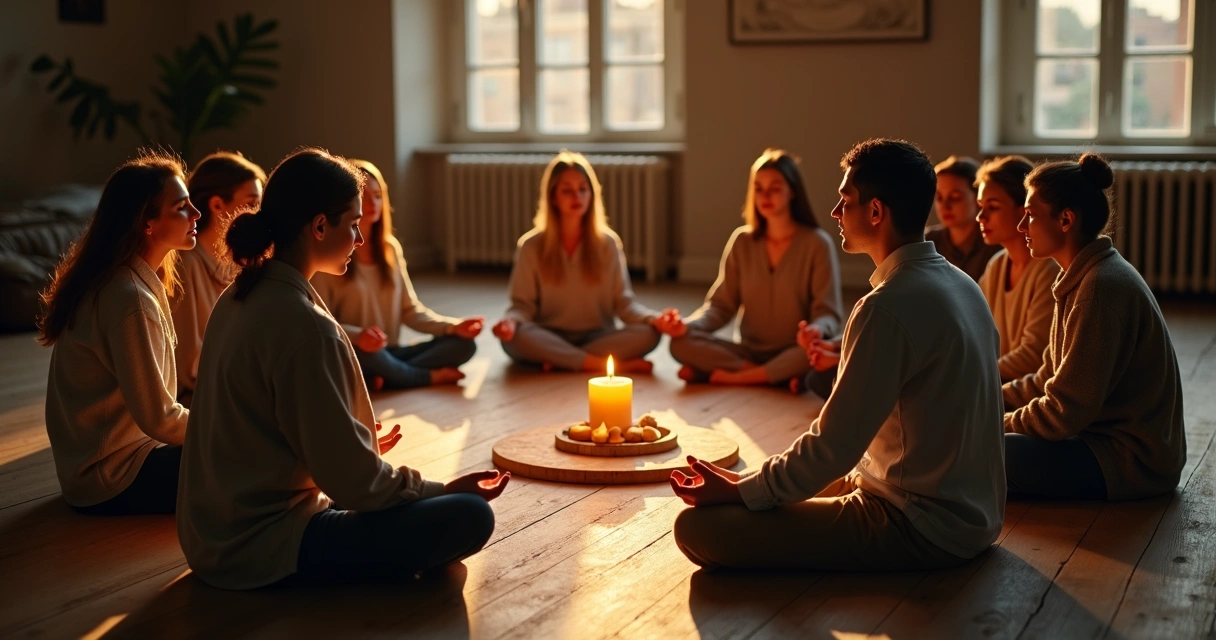
- Witness circles: Invite trusted friends or mentors to witness and honor your process. Share your story and hear reflections. This can also be adapted for families or organizations experiencing transformation.
Each ritual gains meaning from the attention, sincerity, and presence we bring. There is no single “right” format.
Transition rituals through different stages of life
Through observing transitional moments across many lives, we see how rituals can be helpful in many stages and contexts, such as:
- Childhood to adolescence: Marking a graduation or “firsts” with small ceremonies or symbolic gifts.
- Leaving home or moving: Packing objects with intention, saying goodbyes mindfully, planting roots at the new place.
- Career changes: Reflecting on old roles and values before setting intentions for growth.
- Endings and loss: Lighting memorial candles, creating remembrance collages, sharing memories aloud.
- Personal transformation: Setting resolutions with symbolic action, such as planting a seed or making art.
We can apply the same mindset to internal change, like healing a limiting belief or committing to a new lifestyle. It's always possible to find a meaningful way to pause, mark, and carry forward wisdom.
A resource on marrying old and new selfs through transition rituals provides further examples for many of life’s changes.
What to do after the ritual ends
Once we complete a ritual, it’s tempting to move on quickly, but reflection brings lasting value. Take a few quiet moments, journal about your feelings, or share the experience with a friend or mentor. Notice any subtle shifts over the next days or weeks. Sometimes, transformation is gentle—it grows quietly until, suddenly, we see the world differently.
"Rituals create anchors, but time weaves them into life."
Many of us have felt surprised at how simple acts, when performed with intention, linger and grow in significance. These moments become reference points, helping us trust ourselves through future changes.
Conclusion
Transitions are not just about changing circumstances, but about conscious integration and self-recognition. When we bring mindful rituals to our process of change, we honor what has shaped us and give space to welcome what is coming. Through intention, symbolic acts, and honest reflection, we gain the power to bridge past and future, marrying the old and new selfs with wisdom and presence. Whether grand or subtle, these rituals help us transform change into meaning, offering support through every stage of our personal evolution.
Frequently asked questions
What are integrative rituals for transitions?
Integrative rituals for transitions are intentional acts or ceremonies designed to mark significant life changes, helping us consciously honor what is ending and welcome what is beginning. These rituals bridge the gap between our old self and our new self, providing structure, meaning, and emotional closure during transitions.
How do I create my own ritual?
Start by setting a clear intention for the change you are marking. Choose symbolic acts—writing, lighting a candle, speaking aloud, or using special objects. Engage your senses and emotions, and make the experience personal. You can do it alone or invite others to witness. Always close with a reflection or an act that signals completion.
Why use rituals during life changes?
Rituals help us process endings, create emotional anchors, and welcome new beginnings with intention. They can reduce anxiety, support emotional integration, and give meaning to our personal journey, making transitions less overwhelming and more memorable.
What are examples of transition rituals?
Examples include writing farewell letters to your old self, creating art that represents change, lighting candles to welcome new stages, conducting release ceremonies outdoors, or holding a circle where friends witness your intentions. Even simple acts, done mindfully, become powerful rituals.
Is it worth it to try rituals?
Yes, many people find that even simple rituals add depth, meaning, and emotional support to times of change. Rituals can make transitions feel less lonely, provide clarity, and help us move forward with a sense of inner alignment.