
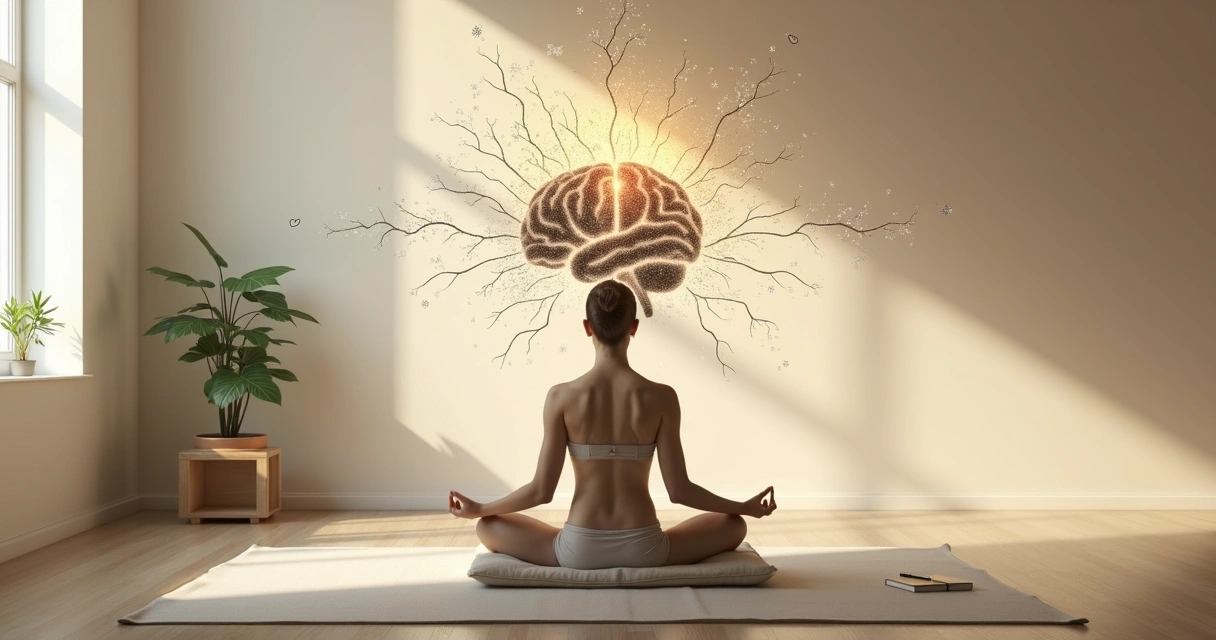
Every one of us carries invisible ideas about who we are and what we can do. These are not just thoughts, they're beliefs often built over years, shaping our choices and lives. When these beliefs are limiting, they quietly block our growth. But change is possible, and with clear, conscious practices, we can reshape the patterns that hold us back.
Where do limiting beliefs come from?
Limiting beliefs have roots in the earliest memories and repeated ideas we absorb, often before we're even aware of it. Families, schooling, major events, or repeated messages all imprint frameworks for how we view ourselves and the world.
Sometimes a single discouraging comment from childhood or a difficult moment creates a belief that stays with us. These may sound like "I'm not creative," "Mistakes mean failure," or "I'm not worthy of happiness." Their voices are persistent and, without conscious attention, always in the background shaping our experience.
Most limiting beliefs are unseen. Yet, their effects are felt in every decision.
Recognizing their hidden power is the first step toward freedom.
The mind, emotions, and belief patterns
Our beliefs are not just mental. They interact closely with emotion and behavior, creating cycles that repeat unless interrupted. When we try to act outside these beliefs, we often feel inner resistance, fear, or even guilt.
The mind repeats stories that are familiar, even when they do not serve us well. Emotions confirm those stories through sensations in our body and mood. Over time, this repetition becomes an inner program, running automatically. That’s why challenging these beliefs can feel uncomfortable, but it is also why conscious change is possible—when done with clarity and care.

How conscious practices help break the cycle
Conscious practices are intentional actions that bring awareness to hidden thought and emotional patterns. Meant for everyday use, these approaches help us notice, challenge, and change the stories we tell ourselves.
From our experience, true transformation is not about force, but about dialogue—listening inwardly, reflecting, and then encouraging new stories to take root. These are some practices we have found helpful:
- Mindful observation: Watching your thoughts and emotional reactions without judgment.
- Self-inquiry: Asking questions that reveal where a limiting belief may come from.
- Reframing: Gently replacing old beliefs with new, supportive statements.
- Embodied awareness: Noticing how beliefs feel in your body and releasing tension physically.
- Conscious journaling: Writing about beliefs as they arise, making the unconscious visible.
Applied consistently, conscious practices can gently disrupt old cycles and create new ones with intention.
Step-by-step guide to rewiring beliefs
Rewiring isn’t instant. However, small, steady actions will build new inner patterns. We suggest approaching this work as an ongoing journey, not a single event.
- Awareness
Start by observing patterns in your thoughts, emotions, and reactions. When do you feel a sense of limitation, hesitation, or self-criticism? Write these moments down. The goal here is not to diagnose or judge, but simply to observe. As we become aware, we step out of autopilot.
- Inquiry
With one or two patterns in mind, ask yourself some simple questions:
- What is the core belief behind this thought or emotion?
- Where or when do I first recall feeling this?
- Whose voice is attached to it—mine, or someone else’s?
This process can be uncomfortable, but it is the soil in which new beliefs can grow.
- Emotional validation
Instead of denying or pushing away feelings connected to these beliefs, allow yourself to feel them. Place a hand on your body, notice the sensations, and simply breathe. This recognition gently loosens the grip that emotional memory has on your present.
- Reframing
Now ask: What would be a supportive, honest, new belief? For example, transform “I don’t have what it takes” into “I am learning and growing every day.” Write and repeat these new beliefs. Say them out loud, and visualize acting from them. The nervous system learns from repetition and emotional connection—pair both as you reframe.
- Daily practice
Integrate a conscious practice each day. Whether it is journaling, mindful breathing, supportive self-talk, or gentle self-care, dedicate a moment for this work. Over days and weeks, patterns shift.

Keys to making change last
From what we have seen, sustainable transformation relies on care, patience, and flexibility. Here’s what supports lasting change:
- Be patient—beliefs formed over years do not change overnight.
- Use gentle curiosity rather than harsh self-judgment.
- Celebrate small shifts and evidence that new beliefs are taking hold.
- Seek supportive environments—connect with people or resources promoting conscious growth.
As you settle into new beliefs, you may notice life responding in new ways, with increased openness and possibility. When we align intention, emotion, and behavior, transformation becomes real and sustainable.
Broader impact: reality changes as we change
Changing limiting beliefs is not just a personal benefit. The way we see, relate, and act in the world shifts as our beliefs shift. This ripple can affect our relationships, our work, and even how we see opportunity. From our research, those who commit to this path often find increased meaning, confidence, and a sense of connection to both purpose and community. True transformation begins within and, over time, moves outward.
If you wish to go deeper into this subject and detailed practice breakdowns, our rewiring limiting beliefs resource can be a valuable next step. We also recommend reading our conscious practices guide for practical examples.
Conclusion
Limiting beliefs are not rigid walls—they are patterns that can change with awareness, intention, and compassionate practice. When we pause to observe, question, feel, and reframe our old stories, we create space for new possibilities. Simple, daily conscious practices create steady change, allowing us to move toward more aligned, purposeful, and fulfilling lives. The most beautiful part of this work is its honesty: we meet ourselves as we are, and, gently, we change what no longer serves.
Frequently asked questions
What are limiting beliefs?
Limiting beliefs are unconscious ideas or assumptions that restrict our choices, potential, or happiness. They develop over time from personal experiences, repeated messages, or inherited attitudes. Often, they sound like self-doubt or inner criticism, shaping what we believe we can or cannot do.
How to identify my limiting beliefs?
Start by noticing patterns of negative self-talk, moments of hesitation, or emotional discomfort when facing new opportunities. Ask yourself what story you’re telling in these situations. Journaling, mindful observation, and self-inquiry can all make underlying beliefs visible.
How can I change limiting beliefs?
We suggest a combination of conscious practices such as mindful observation, reframing, emotional validation, and daily repetition of supportive beliefs. Over time, these practices gently replace limiting beliefs with ones that empower growth and contentment. Connecting emotion with new thoughts and repeating the process is key.
Is it worth it to rewire beliefs?
Yes, changing limiting beliefs can improve self-confidence, relationships, and overall well-being. The effort put into conscious transformation often brings new opportunities, resilience, and a deeper sense of purpose.
What are the best conscious practices?
We have found mindful observation, self-inquiry, reframing, embodied awareness (like mindful breathing or movement), and regular journaling to be especially effective. The best practice is one that fits smoothly into daily life and feels supportive, not forced.