
Standing at the crossroads of life purpose and career decisions feels different in 2026. We see not only the dizzying speed of change, but also a new collective longing: a desire for meaning, for real connection between what we do and who we are. In our view, aligning these forces does not just create job satisfaction. It builds a life of integrity, coherence, and impact—both for ourselves and for others.
Understanding life purpose today
For us, the idea of “life purpose” has moved beyond a distant ideal. Purpose is practical and lived through daily actions, choices, and relationships. In 2026, people want their work to matter. They want their careers to reflect values, strengths, and visions for the future.
So, what does life purpose look like now? We think it’s shaped by four major elements:
- What energizes and inspires us on a core level
- Our strongest skills and natural capacities
- The values by which we choose to live
- The positive impact we wish to create
Work makes sense when it expresses who we truly are.
Yet, many of us still feel a gap between purpose and reality—a sense of being adrift, or of sacrificing our inner truth for stability or status. Closing this gap requires honest reflection and practical steps.
Why career decisions are different in 2026
The job market today brings more flexibility and options than ever, but also more uncertainty. Remote work, gig opportunities, shifting company values, and evolving roles mean that traditional career paths have loosened. Now, the power to design a personal journey is greater, but so is the challenge of choosing wisely.
Many people wonder:
- How do we select a path when so much is possible?
- How do we protect our sense of meaning when faced with instability?
- What do we do when our values or priorities change?
Steps to align life purpose with career decisions
1. Slow down and self-reflect
First, we need to pause and reconnect with ourselves, rather than just chasing trends or external pressures. Give room for questions such as:
- What activities absorb our full attention and bring a sense of fulfillment?
- Which moments, past or present, have felt most meaningful?
- When did we feel proud of a choice, even if it was difficult?
Writing down these answers, or even recording short audio reflections, sharpens self-awareness. We see patterns emerging—clues to our unique purpose.
2. Define your values and core drivers
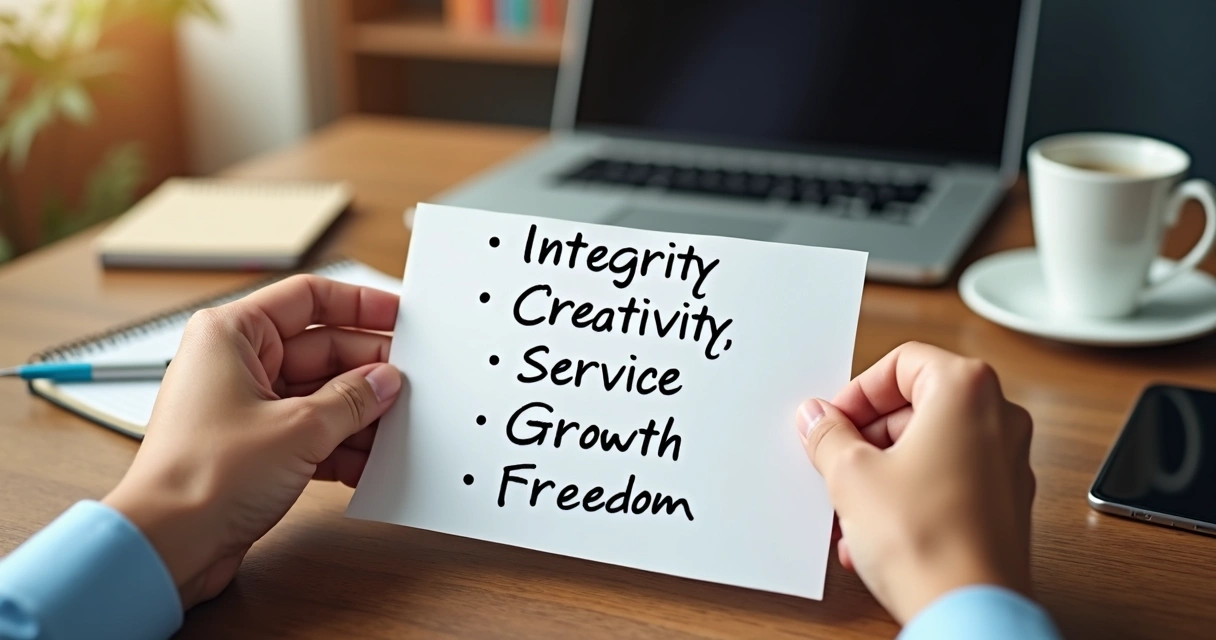
In our experience, people who make purpose-driven career decisions are deeply aware of their values. Some examples:
- Integrity
- Creativity
- Service
- Growth
- Freedom
We recommend writing a personal values list and ranking each value on a scale of 1-10 in terms of importance. This helps clarify non-negotiables—the elements you cannot compromise in your work.
3. Map your unique strengths
Once we have a sense of purpose and values, it’s time to recognize what we are good at. Sometimes, skills feel ordinary to us, but exceptional to others. Questions that help:
- What do colleagues and friends come to us for?
- When have we delivered outstanding results?
- Which skills do we enjoy using, even when it’s hard?
Document examples and look for overlap with your purpose and values. The “sweet spot” is where these align.
4. Create a vision, not just a plan
In our approach, a vision goes beyond goals. It’s a vivid picture of an aligned life—what we would see, hear, and feel if our work expressed our purpose every day. Try this exercise:
- Describe your ideal workday in full detail
- Note your environment, tasks, interactions, and emotions
- Connect this vision back to your core purpose and strengths
When the future feels uncertain, this vision acts as a compass, helping us navigate change with confidence.
5. Choose with intention—one step at a time
We see many people overwhelmed by the pressure to "figure it all out" immediately. The truth is, alignment happens through small decisions, not just big leaps.
To make intentional choices, we suggest:
- Evaluating each new opportunity by its fit with your purpose, values, and vision
- Asking: “Will this role move me closer to my sense of meaning, or further away?”
- Embracing experimentation—testing new paths part-time or through projects before fully committing
Over time, alignment grows with each purposeful choice.
Overcoming common obstacles
Even the best-aligned plans face roadblocks. We think it helps to name them, so they lose power.
- Fear of instability: In 2026, change will be constant. Building self-trust, financial buffers, and strong networks helps reduce anxiety.
- External expectations: When others expect a certain path, practicing honest communication and boundary-setting can protect your purpose.
- Inner doubts: Everyone questions themselves at times. Gentle self-acceptance, peer support, and expert guidance make the journey lighter.
Obstacles are milestones, not endpoints.
Practical tools and resources
Today’s technology and scientific insights offer more support than ever for self-discovery and decision-making. Some resources that we find useful:
- Journaling and reflective writing apps
- Personality and values assessments backed by research
- Career mapping templates and vision board tools
- Meditation and mindfulness guides for clarity
- Peer communities for feedback and accountability
If you feel inspired to go deeper, you can read about methods to align life purpose and career direction in our in-depth purpose alignment guide.

How to reassess and readjust your path
Alignment is not one-and-done. In 2026, we expect many will change paths several times. Periodic check-ins—every six months, every year—are useful.
- Reflect on how your current work expresses your purpose, values, and strengths
- Note where dissonance or boredom appears—these are signals to adjust
- Welcome growth by updating your vision when new insights come
For structured guidance on navigating difficult choices, our career decisions 2026 guide shares practical steps and case stories: making new career choices.
Building support and sustaining alignment
We believe no one achieves fulfillment in isolation. Support matters. This can be:
- Mentors or advisors willing to listen and challenge you
- Peer groups sharing the same journey
- Professional groups with shared values and interests
Sometimes, small community check-ins prompt large shifts. When surrounded by the right people, it is easier to stay true to your purpose—especially when choices feel risky.
Support transforms courage into action.
Conclusion: Moving forward with clarity and courage
Aligning life purpose with career decisions is a journey rather than a destination. In our research and experience, this process makes work not just a means to an end, but part of a greater story. By reflecting, clarifying values, mapping strengths, setting a vivid vision, and acting intentionally—step by step—we bring purpose into each decision. As the world keeps changing, this alignment grounds us and brings consistency, courage, and fulfillment.
Frequently asked questions
What is life purpose in career decisions?
Life purpose in career decisions means choosing roles, projects, or paths that reflect our deepest values, strengths, and aspirations rather than just following external expectations or trends. When we align our careers with our core sense of meaning, we feel more fulfilled and make a unique impact.
How to find my life purpose?
Finding your life purpose involves honest self-reflection on what energizes you, what matters deeply, and what unique gifts you bring. In our practice, journaling, values clarification exercises, seeking feedback from trusted people, and noticing patterns in past joyful experiences all help uncover this inner direction.Life purpose is not a fixed point, but a combination of your passions, values, and strengths in action.
Is it worth it to change careers?
Changing careers can be a positive step if your current path no longer matches your values or sense of purpose. We suggest weighing both practical needs and inner fulfillment, and starting with small experiments or learning projects before fully committing to a new direction.
What are the best tools for self-discovery?
Many people find benefit in personality and strengths assessments, values clarification exercises, vision board tools, and structured journaling prompts. Engaging in conversations with mentors, coaches, or supportive peers also brings new insights. Mindfulness practices help clear mental clutter and bring attention to what feels meaningful. If you want ideas for structured tools, our internal guides offer step-by-step models backed by research and practical experience.
How can I align passion and work?
To align passion and work, identify what you love, name your strongest skills, and clarify non-negotiable values, then search for opportunities and roles that connect these elements. Sometimes this means reshaping your current job, sometimes it’s an external move, and other times, it’s building new projects or side pursuits. Small, regular adjustments sustain alignment as both you and the world change.