We often think mindful presence depends only on willpower. We try to breathe better, focus longer, and feel calmer. Then we look around and see noise, clutter, harsh light, and a chair that makes the body tense. The truth is simple. Our spaces shape our inner state.
A mindful space is not about decoration alone, but about creating conditions that support attention, calm, and conscious choice.
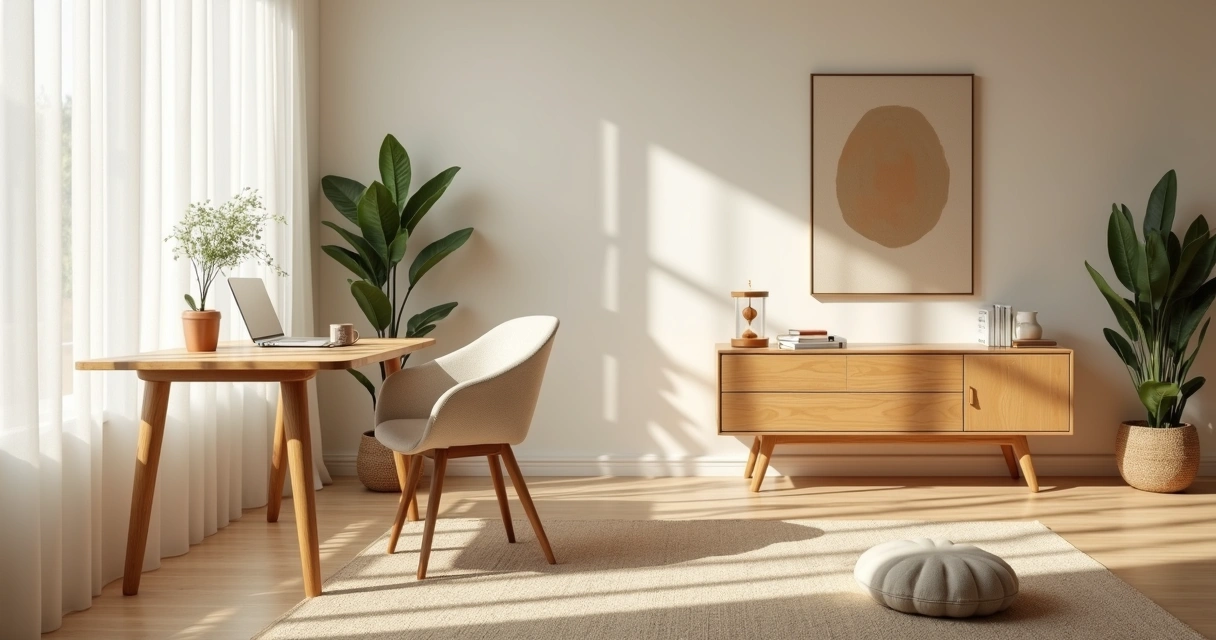
In our experience, both homes and workplaces can either scatter the mind or help it settle. We have seen small shifts make a real difference. A desk moved closer to natural light. A phone placed out of reach during deep work. A quiet corner with one chair, one plant, and one clear intention. Small changes. Big effect.
This does not mean we need a perfect room. Most of us work with what we have. A kitchen table, a shared office, a busy living room. Mindful design starts there, in real life, not in fantasy.
Start with the feeling you want
Before moving furniture or buying anything, we need to ask one question. How do we want to feel in this space? Not how it should look. How it should feel.
A home corner for reflection may need softness and warmth. A workspace may need alert calm. A meeting area may need openness and respect. When we define the emotional tone first, design becomes clearer.
We usually suggest choosing three words as a guide. For example:
- Calm
- Clear
- Grounded
These words help us decide what belongs and what does not. If an object, color, or layout pulls us away from those words, it may not serve the space.
Space teaches the mind how to be.
Reduce noise and visual overload
One of the fastest ways to support presence is to reduce what keeps calling for our attention. This includes sound, visual clutter, and unfinished signals. We all know the feeling. We sit down to think, but the room keeps talking.
Clutter is not only physical. It is also mental pressure made visible.
At home, this may mean clearing surfaces that collect random items. At work, it may mean keeping only what is needed for the task in front of us. We do not need empty rooms. We need rooms with fewer mixed messages.
A helpful method is to group what stays into clear categories:
- Items we use daily
- Items we use weekly
- Items with personal meaning
- Items that distract without serving a purpose
That last group deserves honesty. Many objects are not harmful, but they divide attention. If possible, remove them or place them out of sight.
Sound matters too. If we cannot control outside noise, we can soften its impact with rugs, curtains, fabric panels, or a low background sound that feels steady rather than sharp.
Use light, color, and texture with care
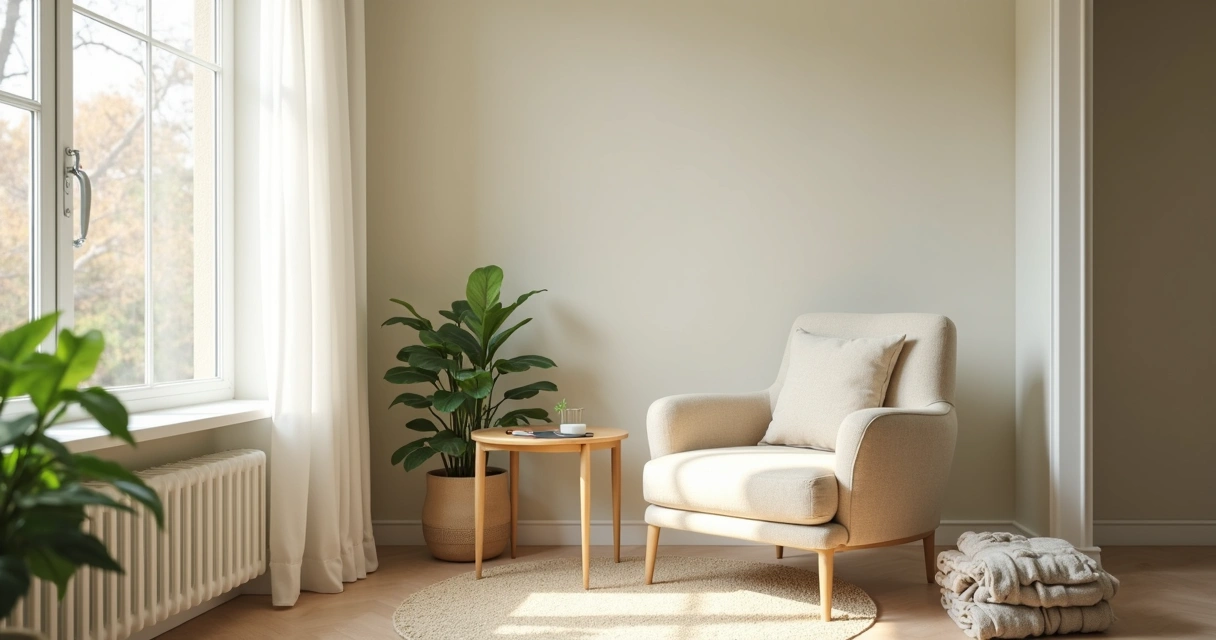
Light affects attention and mood very quickly. Natural light tends to help us feel more awake and connected to time. When possible, we should place focus areas near a window. If that is not possible, warm and gentle artificial light often works better than harsh overhead glare.
Color also shapes the nervous system. We have noticed that spaces for mindful presence tend to work better with softer tones than with very intense contrasts. This does not mean everything must be pale or plain. It means color should support the purpose of the room.
Some useful directions include:
- Soft greens for balance and rest
- Warm whites for clarity and openness
- Muted blues for quiet and steadiness
- Earth tones for grounding
Texture is often ignored, yet it changes how a room feels in the body. Wood, cotton, linen, and natural fibers often create a sense of ease. Cold plastic and reflective surfaces can feel more restless when overused. We think the body reads materials before the mind explains them.
Create zones for different states
Many spaces fail because they ask us to do everything in one place. We answer emails where we eat. We think deeply where we watch videos. We try to rest where we store stress. The mind struggles when boundaries are weak.
Mindful design works better when each area has a clear role.
Even in a small home or office, we can create zones through simple signals. A lamp can mark a reading area. A mat can define a pause corner. A tray can separate work tools from personal objects. These cues tell the brain what kind of attention is invited there.
We have seen this work well in both settings:
- Choose the main activities of the space.
- Assign each one a fixed location, even if small.
- Add one visual cue for each zone.
- Keep transitions simple and repeatable.
If you want more ideas on spatial intention and layout, we suggest reading our thoughts on designing mindful spaces. It expands on how layout choices affect focus and emotional tone.
Support the body, not just the eyes
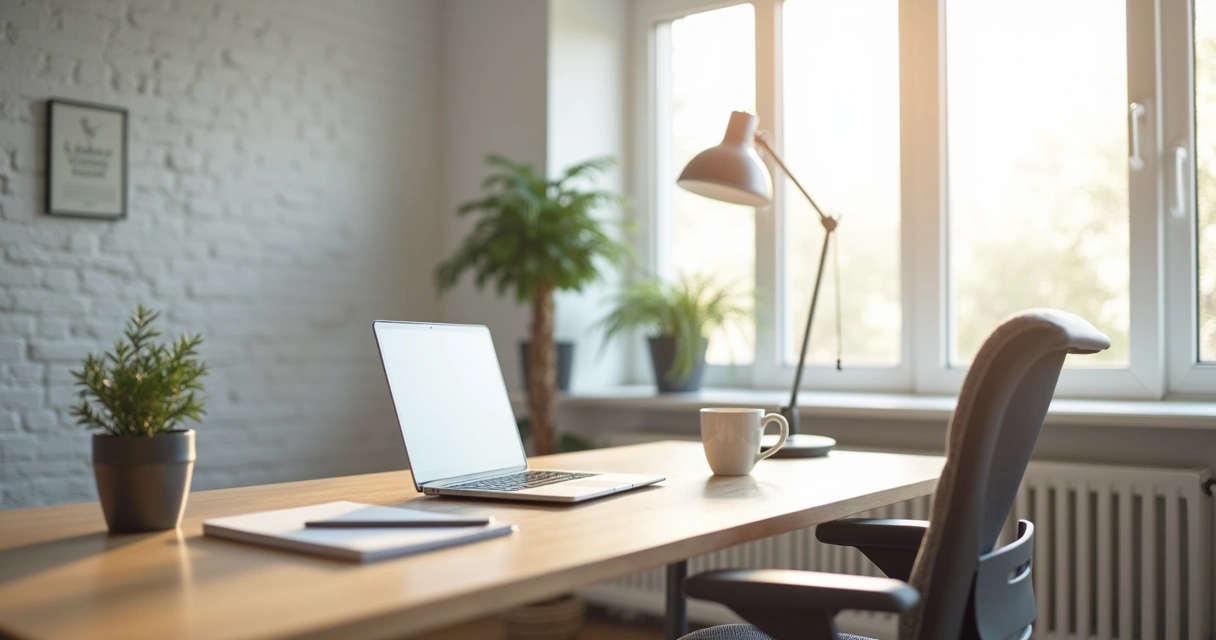
A space can look calm and still feel wrong. Usually, the body knows why. The chair strains the back. The screen sits too high. The table is too crowded. The air feels stale. Mindful presence needs physical comfort that is simple and honest.
We do not need luxury. We need support.
Good posture, breathable air, and room to move reduce hidden stress. If possible, keep water nearby, leave some open space around the seat, and allow the eyes to rest on something natural or visually quiet from time to time.
At work, this may mean fewer objects on the desk and more order in cable management. At home, it may mean not turning every empty corner into storage. Space itself has value. Breathing room matters.
Include one ritual anchor
One thing we like to add is a ritual anchor. This is a single object or action that marks the shift into presence. It could be lighting a candle at home, opening a notebook before work, or taking three breaths after sitting down. The point is not the object itself. The point is the repeated signal.
One client once told us that placing a smooth stone beside the keyboard changed the mood of the whole day. Not because the stone had magic. Because touching it became a pause. A return. A choice.
If you are shaping a home and work routine together, our reflections on mindful presence at home and work can help connect the space with daily practice.
Conclusion
When we design for mindful presence, we are really designing for a better relationship with attention, emotion, and action. The best spaces do not impress us first. They settle us. They make it easier to breathe, think, and respond with more awareness.
A mindful space does not need to be large or expensive. It needs to be clear, intentional, and kind to the body and mind.
We think that is the real aim. Not perfection. Not style for its own sake. Just a space that helps us return to ourselves, at home and at work, one choice at a time.
Frequently asked questions
What is a mindful presence space?
A mindful presence space is an area designed to support calm attention, self-awareness, and intentional action. It usually has less clutter, supportive light, clear purpose, and elements that help the body relax and the mind focus.
How can I design a mindful workspace?
We suggest starting with the feeling you want from the space, such as calm or clarity. Then reduce visual clutter, improve lighting, support posture, and create simple boundaries for tasks. A small ritual, like beginning work with one deep breath, can also help.
What are the best colors for mindfulness?
Soft greens, warm whites, muted blues, and earth tones often work well. These colors tend to feel steady and gentle. The best choice depends on the purpose of the room and how the color affects your own state.
How much does a mindful space cost?
It can cost very little. Many changes involve clearing clutter, moving furniture, adjusting light, or adding one or two simple objects like a plant or cushion. A mindful space is more about intention than price.
Is it worth it to create one?
Yes, we believe it is. A space designed for presence can support better focus, emotional steadiness, and a stronger sense of ease in daily life. Even small changes can have a lasting effect when they are aligned with how you want to live and work.