

We live in a time when many people want honest conversation, yet still pull back when tension appears. We have seen this in families, teams, classrooms, and public life. People care. People think. But many also fear being misunderstood, judged, or pushed into conflict that feels personal instead of useful.
Purposeful disagreement is the practice of facing difference with clarity, respect, and a real wish to learn.
That changes everything. When disagreement has purpose, it stops being a contest of egos and becomes a path to better judgment. We do not speak just to win. We speak to understand what is true, what matters, and what action makes sense.
A recent report on student discussion culture showed a striking pattern: many students wanted debate, yet many also avoided it, felt anxious about it, or had seen bad outcomes from it. This gap between desire and fear appears clearly in recent findings on debate interest and self-censorship among U.S. college students. We think this says a lot about our moment. The issue is not only disagreement itself. The issue is how we carry it.
Why disagreement often goes wrong
Many debates fail before the first real point is even made. Someone feels dismissed. Another person prepares a defense instead of listening. Then tone becomes the message.
In our experience, disrespect in debate usually begins with three silent habits:
We confuse a different opinion with a personal threat.
We listen for errors, not for meaning.
We try to protect identity more than truth.
There is also a second problem. Avoidance. When people expect discomfort, they often stay quiet. Research on negotiation behavior found that avoidance is common, with many people stepping back even when discussion could help. This pattern appears in large-scale findings on how often people avoid negotiation. We think respectful debate starts by noticing this truth: silence is not always peace. Sometimes it is fear wearing polite clothes.
Silence can hide tension.
What makes disagreement purposeful
Purpose gives debate direction. Without it, people drift into proving, attacking, or defending. With it, they can stay anchored.
Before a hard conversation, we suggest asking a simple question: What are we trying to serve here? Better understanding? A wiser decision? A fair solution? A stronger relationship?
When the shared aim is clear, disagreement becomes easier to contain and less likely to turn hostile.
We have seen small changes create a different atmosphere. A team meeting shifts when one person says, “Let us test the idea, not judge the person.” A family talk softens when someone admits, “I may be missing part of your view.” These are not dramatic moves. Still, they calm the emotional field.
If you want a deeper practical framework, we have also organized related reflections in our discussion on purposeful disagreement techniques.
Techniques that support conscious debate
Respectful debate is not passive. It requires active inner work and clear communication. Below are techniques we find useful in real conversations.
Start with regulation
If the body is tense, the mind narrows. We may interrupt more, assume more, and hear less. Before responding, pause. Breathe once or twice with intention. Relax the jaw. Lower the speed of speech. These small actions help us return to choice.
A regulated nervous system makes respectful disagreement more possible.
This does not make debate slow or weak. It makes it cleaner.

Name the other view fairly
Before we argue against a point, we should be able to restate it in a way the other person accepts. This alone reduces much of the heat in debate.
You can say:
“Let me check if I got your point right.”
“You seem most concerned about the long-term effect.”
“If I understand well, you are not rejecting the goal, only the method.”
This is not a trick. It is a sign of intellectual honesty.
Separate facts, interpretations, and values
Many arguments become tangled because people speak on different levels. One person talks about data. Another talks about meaning. A third talks about ethics. Then all feel unheard.
We find it helpful to sort the conversation into three parts:
What do we know?
What do we think it means?
What matters most here?
When these layers are clear, the debate becomes more precise. It also becomes kinder, because confusion often creates frustration.
Use questions that open thought
Some questions corner people. Others invite reflection. Conscious debate depends on the second kind.
Helpful examples include:
“What leads you to that conclusion?”
“Which concern feels strongest to you?”
“What would change your mind on this?”
“Where do you think our views overlap?”
Questions like these create space. They slow the impulse to react and encourage each person to think beyond slogans or fixed positions.
How to disagree without harming the relationship
We often hear people say, “I do not want conflict.” What they often mean is, “I do not want damage.” That is valid. The good news is that disagreement and damage are not the same thing.
In one field experiment with more than 2,000 participants, groups with moderate differences reported better satisfaction with deliberation than groups that were highly polarized or fully alike. This supports a balanced view, shown in research on how much disagreement supports better deliberation. We think this matters because it shows that some tension, held well, can improve the quality of discussion.
We can protect the relationship during debate when we do the following:
Critique ideas without attacking motives.
State impact without exaggeration.
Acknowledge valid points openly.
Admit uncertainty when it exists.
Once, in a team session, one person said, “I disagree with your proposal, but I trust your intention.” The room changed at once. The disagreement stayed. The hostility did not.
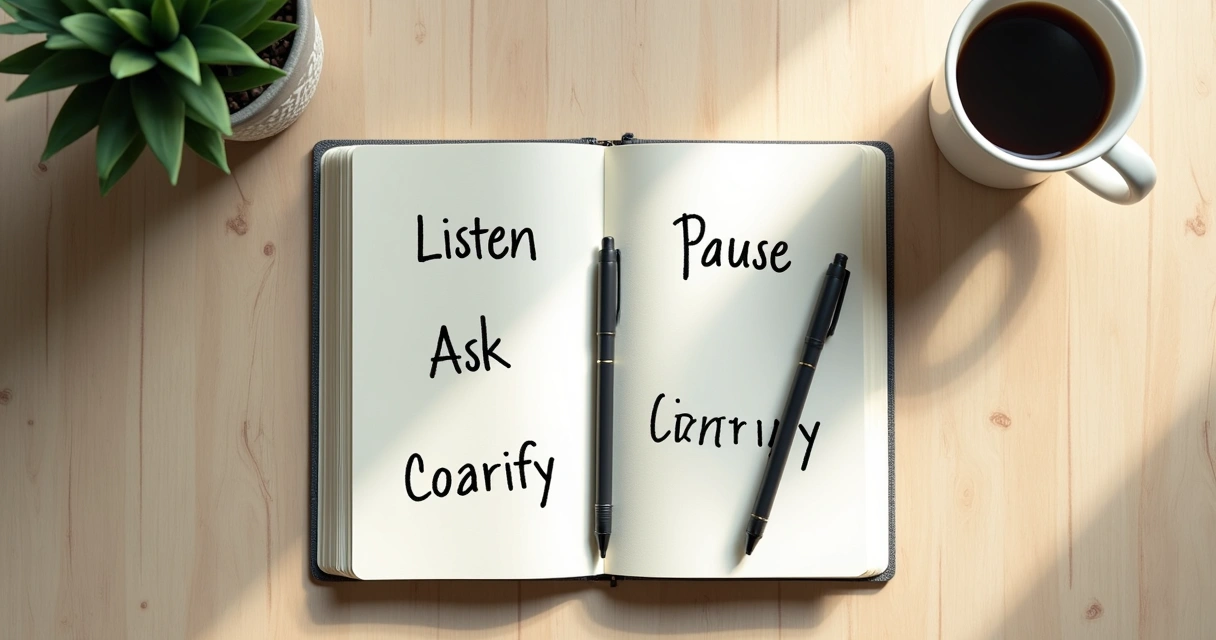
We have expanded this practical side further in our guide to respectful conscious debate.
Conclusion
Purposeful disagreement does not erase tension. It gives tension direction. That is a big difference. When we regulate ourselves, listen with care, sort what is being discussed, and question with honesty, debate becomes less threatening and more human.
We do not need to agree on everything. We do need better ways to hold difference. That is how trust grows. That is how judgment improves. That is how stronger decisions are made without losing dignity along the way.
Respect is not surrender.
Frequently asked questions
What is purposeful disagreement?
Purposeful disagreement is a way of discussing different views with a clear aim, such as learning, improving a decision, or solving a problem. Instead of trying to defeat the other person, we try to understand the issue more fully and respond with respect.
How to disagree respectfully in debates?
We can disagree respectfully by staying calm, listening without interrupting, restating the other view fairly, and focusing on ideas rather than personal attacks. Clear tone, honest questions, and openness to partial agreement also help keep the debate constructive.
What are techniques for conscious debate?
Useful techniques include pausing before responding, regulating emotion, separating facts from interpretations and values, asking open questions, and naming the other person’s point accurately before replying. These habits make the discussion more thoughtful and less reactive.
Why is respectful disagreement important?
Respectful disagreement allows people to face real differences without damaging trust. It supports clearer thinking, emotional maturity, and better communication in families, workplaces, and public life. It also reduces avoidance, which often keeps problems hidden.
Can disagreement improve decision making?
Yes, disagreement can improve decision making when it is handled well. Different views can reveal blind spots, test weak assumptions, and bring better options forward. When people feel safe enough to speak honestly, decisions tend to become wiser and more balanced.